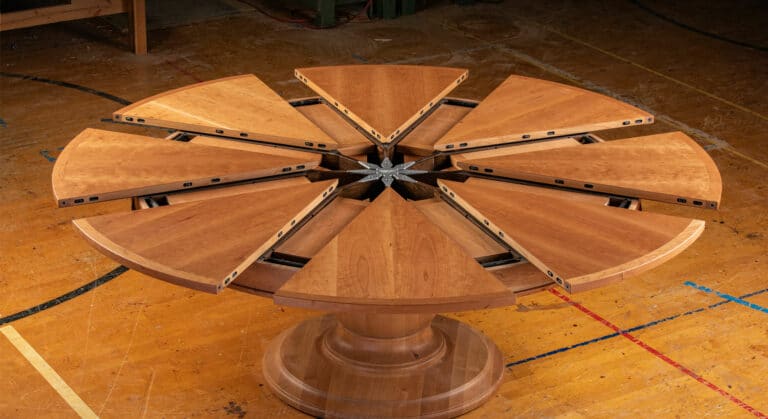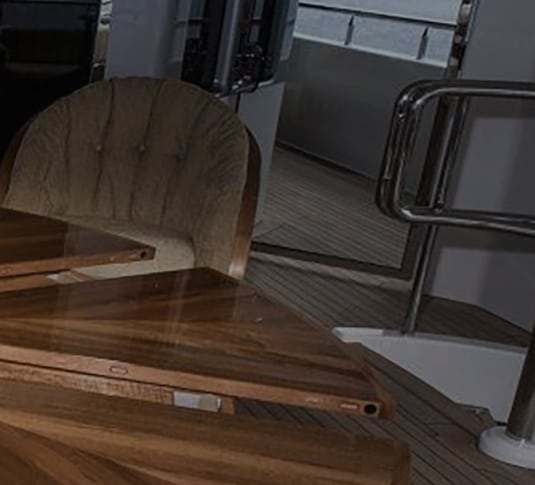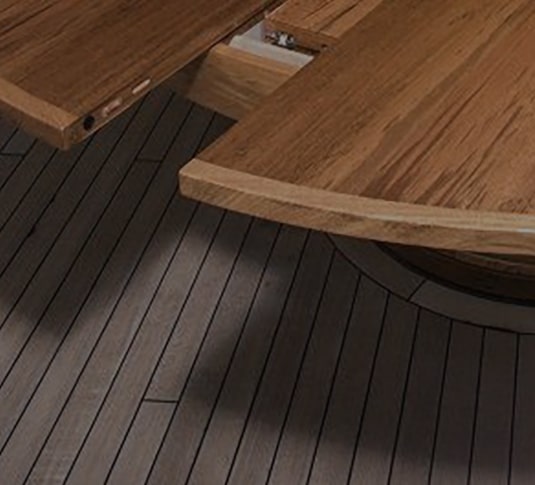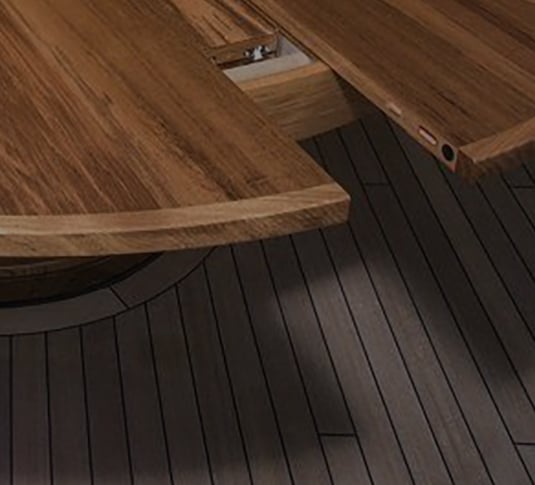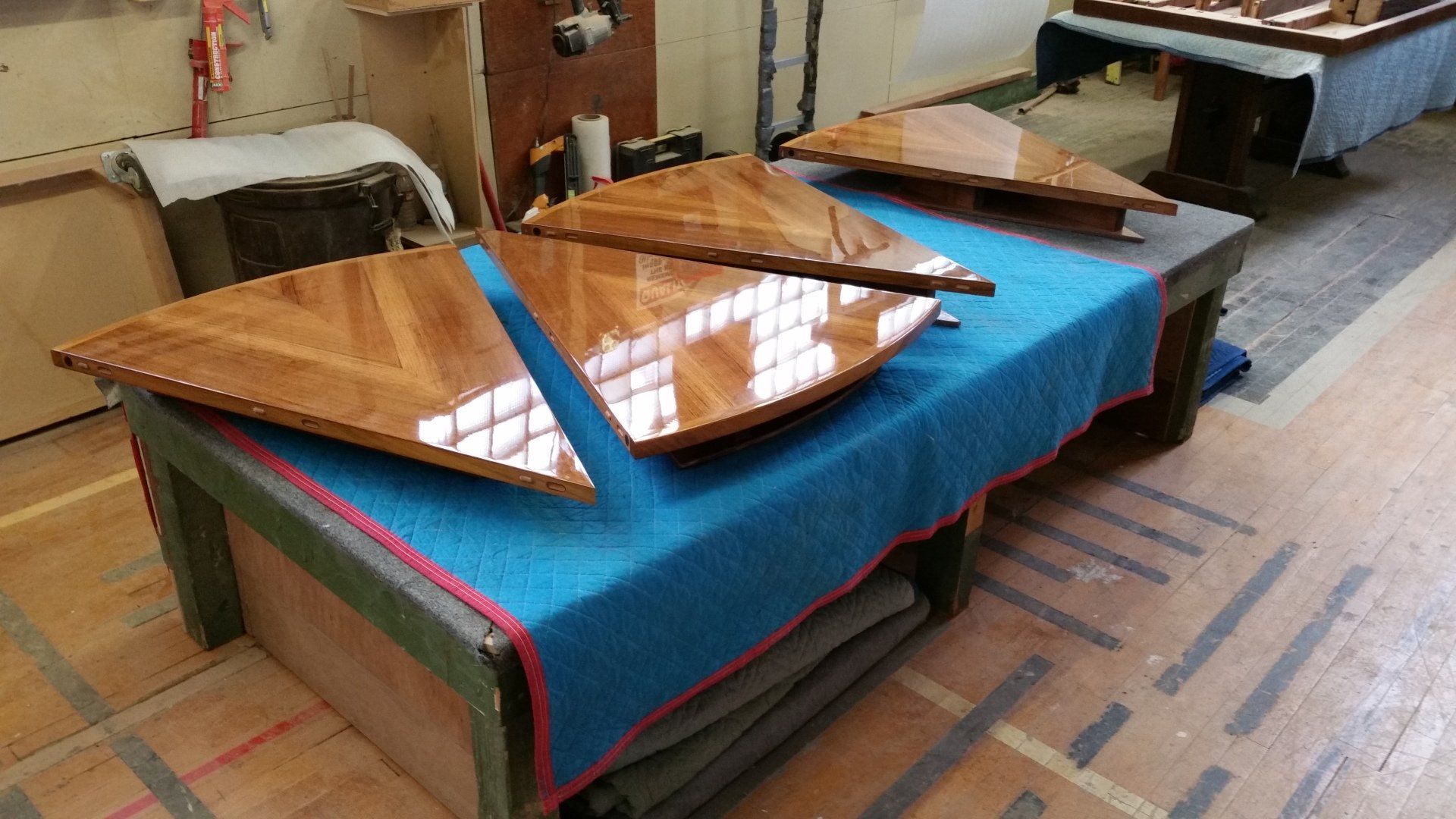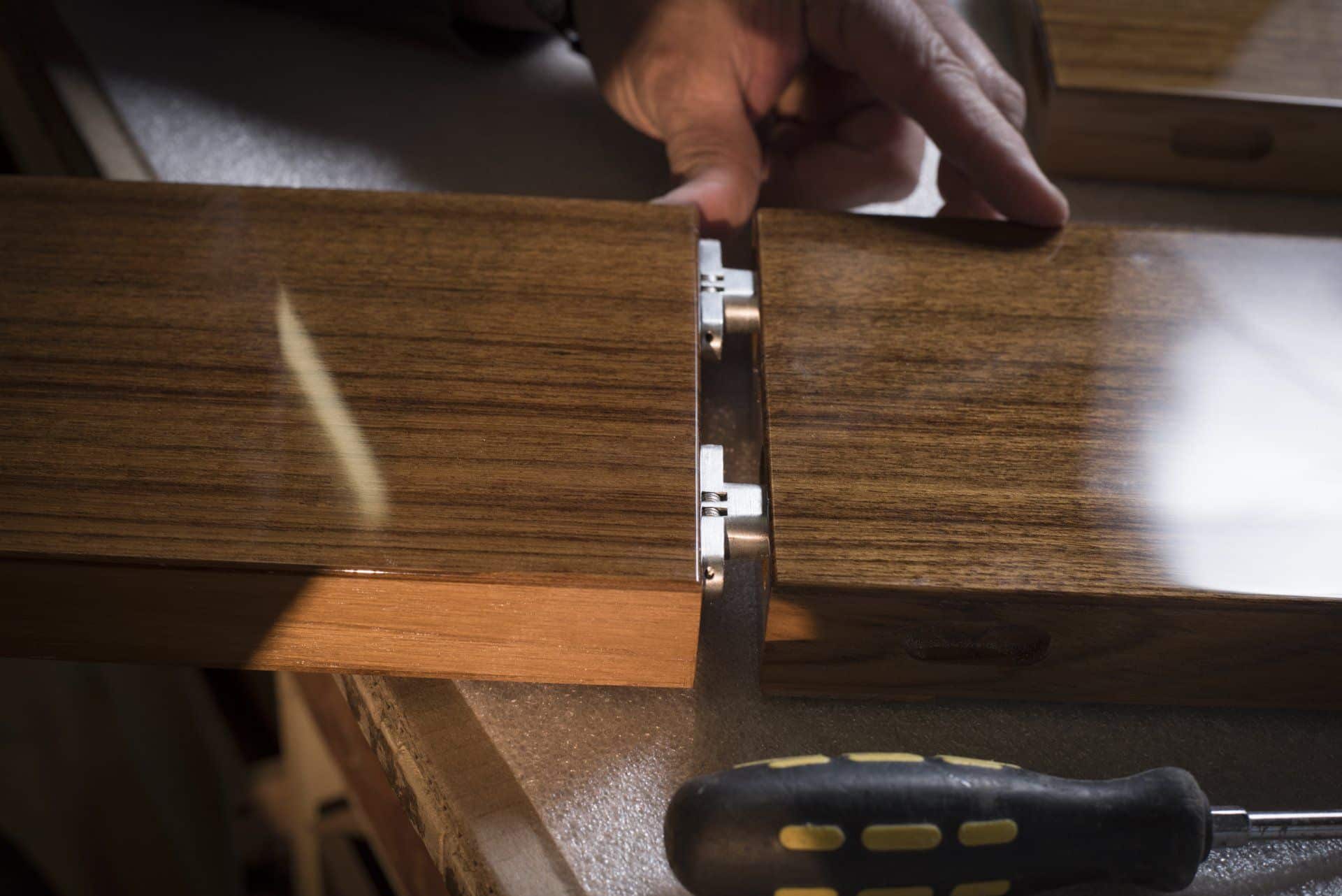

A wooden table is more than just a piece of furniture—it’s a centerpiece of your home, a spot for family dinners, and a witness to countless memories. Keeping it clean not only maintains its beauty but also ensures its longevity. Here’s a comprehensive, easy-to-follow guide to cleaning and caring for your wood table.

- Daily Dusting and General Maintenance
The simplest way to keep your wood table pristine is through regular dusting. This proactive step, using a soft, lint-free cloth, like microfiber, to gently wipe the surface, is crucial in preventing dust accumulation that can scratch the wood over time.
For best results, consider using a product like a wood-friendly dusting spray or lightly dampen your cloth with water before wiping. These options are recommended as they help to effectively remove dust without causing any damage to the wood. Avoid using excessively wet cloths to prevent water damage.
- Dealing with Spills Quickly
Accidents happen! When spills occur, remember that speed is your best friend. Use a clean, absorbent cloth to blot the spill immediately. This quick action, without rubbing, can prevent the liquid from spreading and driving deeper into the wood grain.
If the spill leaves a sticky residue, dampen a cloth slightly with warm water and a drop of mild dish soap. Gently clean the area and dry it thoroughly with another soft cloth.
- Deep Cleaning for Tough Stains
For periodic deep cleaning or tough stains, follow these steps:
- Mix a Gentle Cleaner: Combine warm water with a small amount of dish soap. Alternatively, use a commercial wood cleaner designed for your table’s finish. Before applying any cleaning solution, it’s important always to test it on an inconspicuous spot. This cautious step ensures that the solution won’t damage the finish, showing your attention to detail in caring for your wood table.
- Clean with Care: Use a soft, damp cloth to clean the table, moving toward the wood grain. Dry immediately with a dry cloth to avoid watermarks.
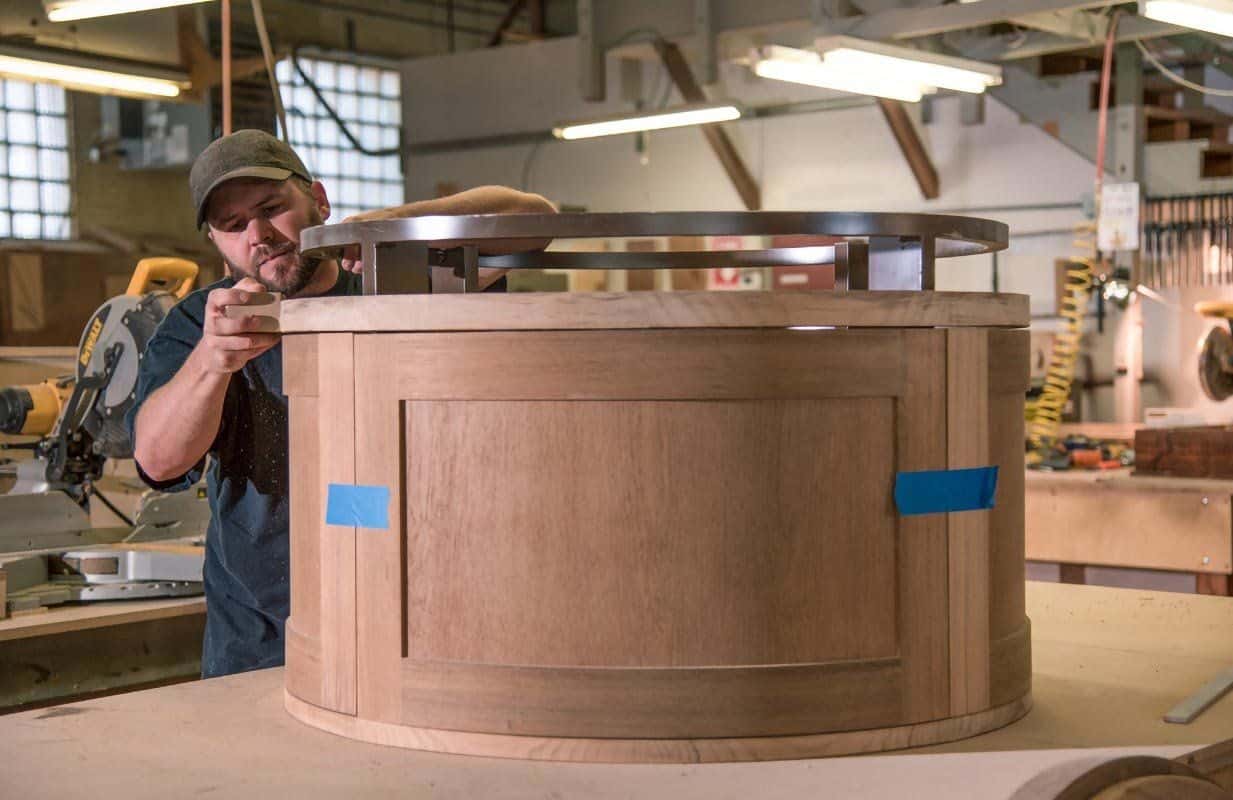
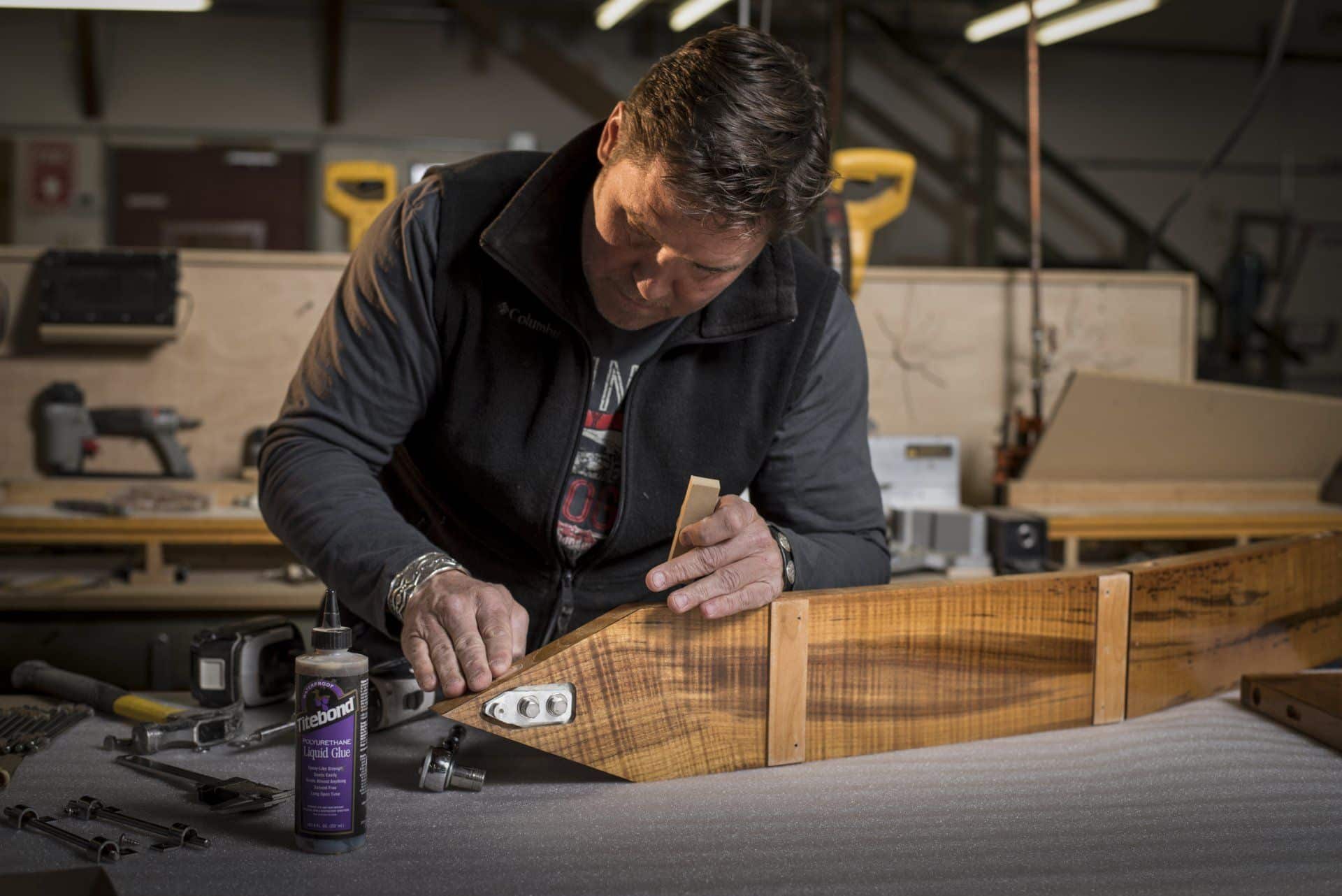
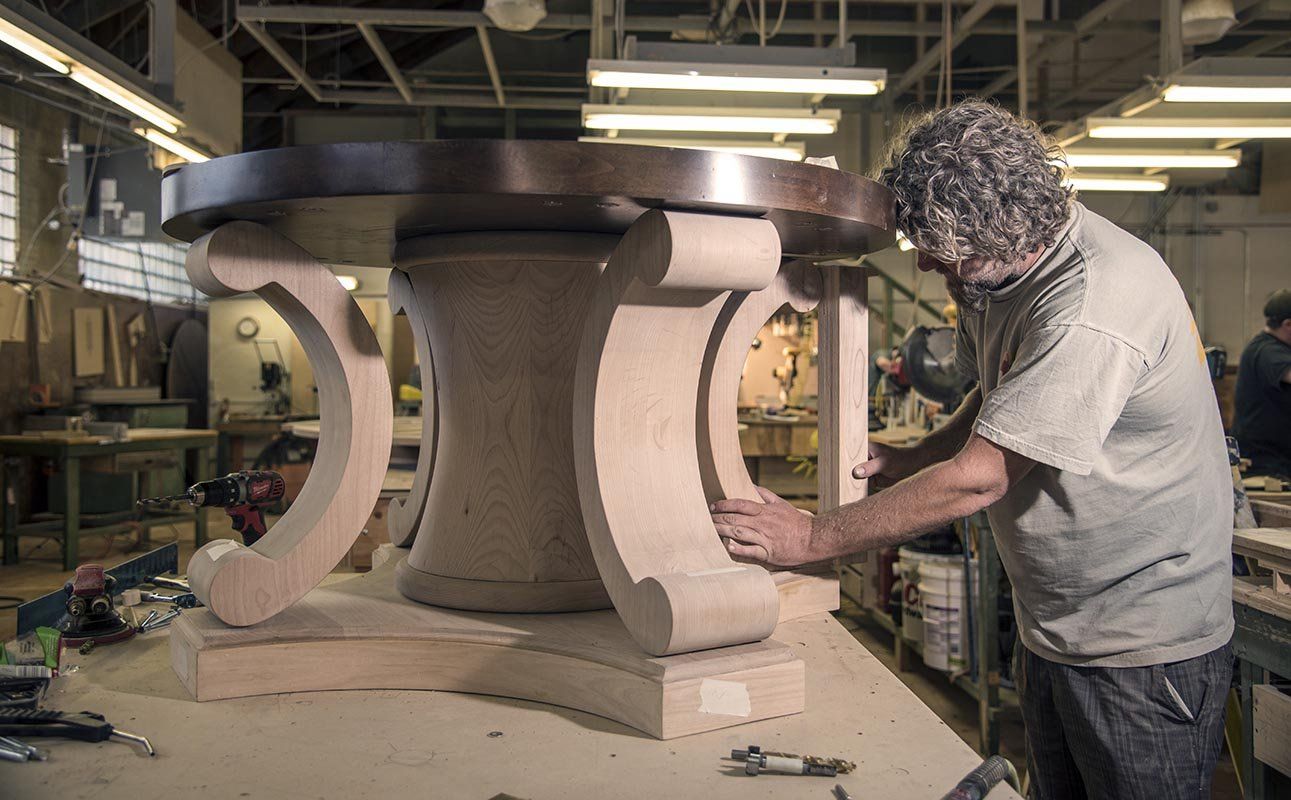
If a reliable source like Lotus Woodworks handcrafted your table, consult them directly for specific care instructions. Their expert craftsmanship often involves specialized finishes that require tailored cleaning techniques.
- Combatting Water Rings and Heat Marks
Water rings and heat marks are common on wood tables. Here’s how to address them:
- For Water Rings: Place a clean cloth over the spot and gently iron over it at a low temperature. This draws out the moisture trapped in the wood.
- For Heat Marks: Use a paste made of baking soda and water, applying it with a soft cloth. Gently rub the mark until it fades, then wipe clean and dry.
If these methods don’t work, consult professionals like Lotus Woodworks for restoration tips or services.
- Polishing for Shine
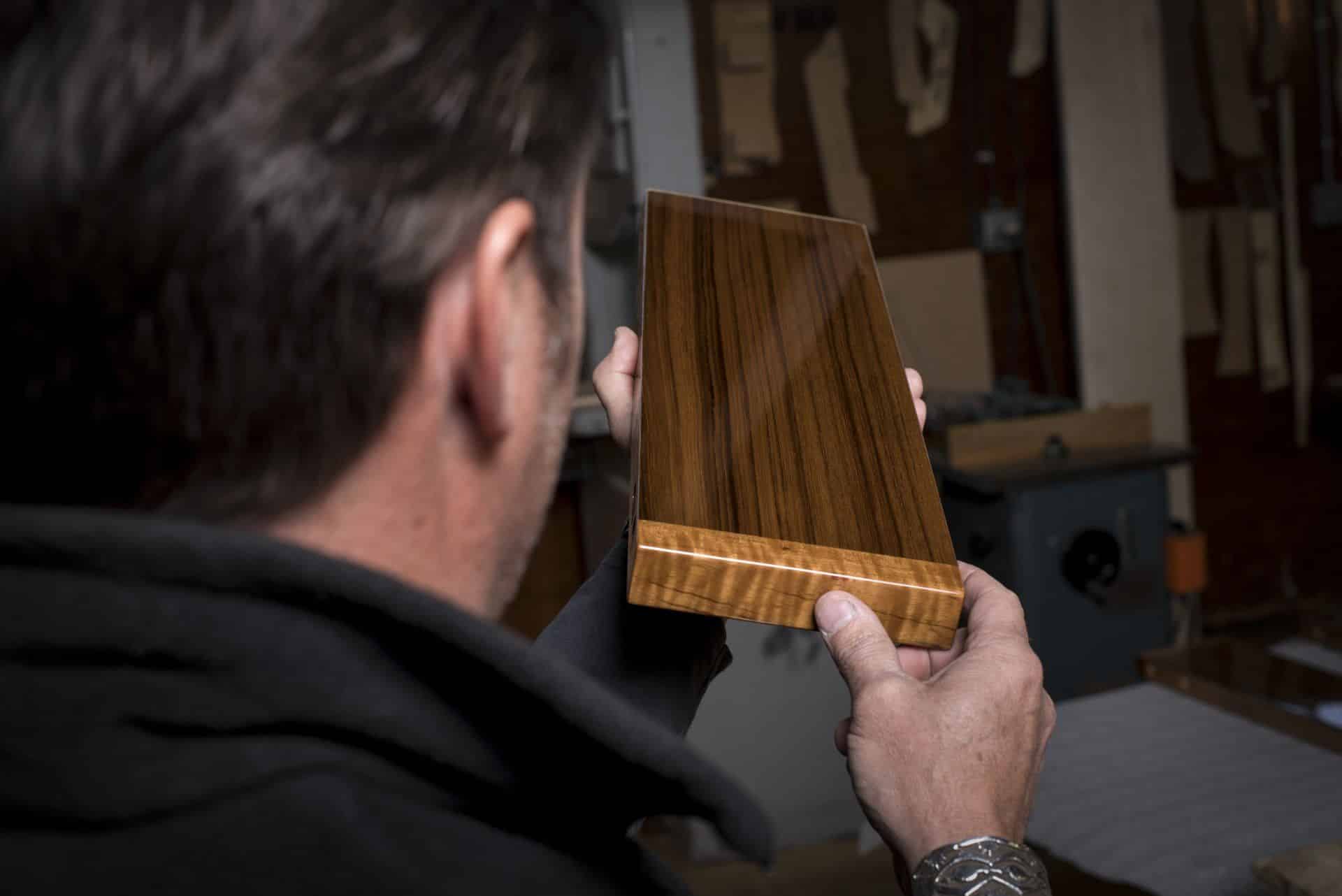
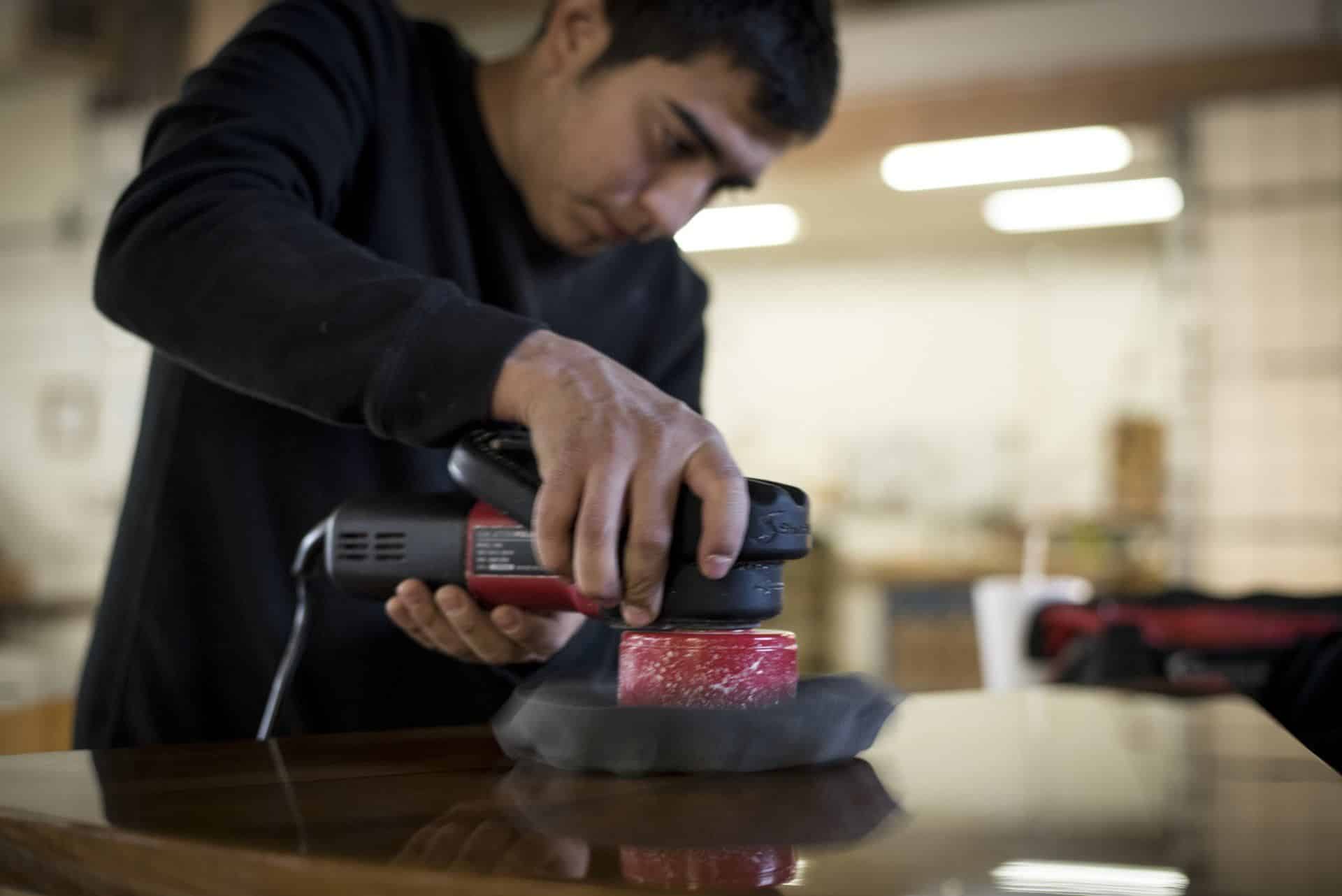
Wood polish adds a protective layer while restoring the table’s natural shine. Use a high-quality polish suitable for your table’s finish. Apply a small amount with a soft cloth, spreading evenly toward the grain. Avoid silicone-based polishes, as they can create a sticky buildup over time and may be difficult to remove without damaging the wood.
- Preventative Measures to Protect Your Table
Prevention is key to maintaining your wood table’s appearance. Here’s how you can shield it from potential damage:
- Use Placemats and Coasters: These prevent scratches, heat marks, and water rings.
- Avoid Direct Sunlight: Prolonged exposure can cause fading or discoloration. Position your table away from windows or use curtains to block sunlight.
- Control Humidity: Wood can warp or crack with extreme humidity changes. Use a humidifier or dehumidifier to maintain a consistent level in your home.
- When to Refinish or Restore
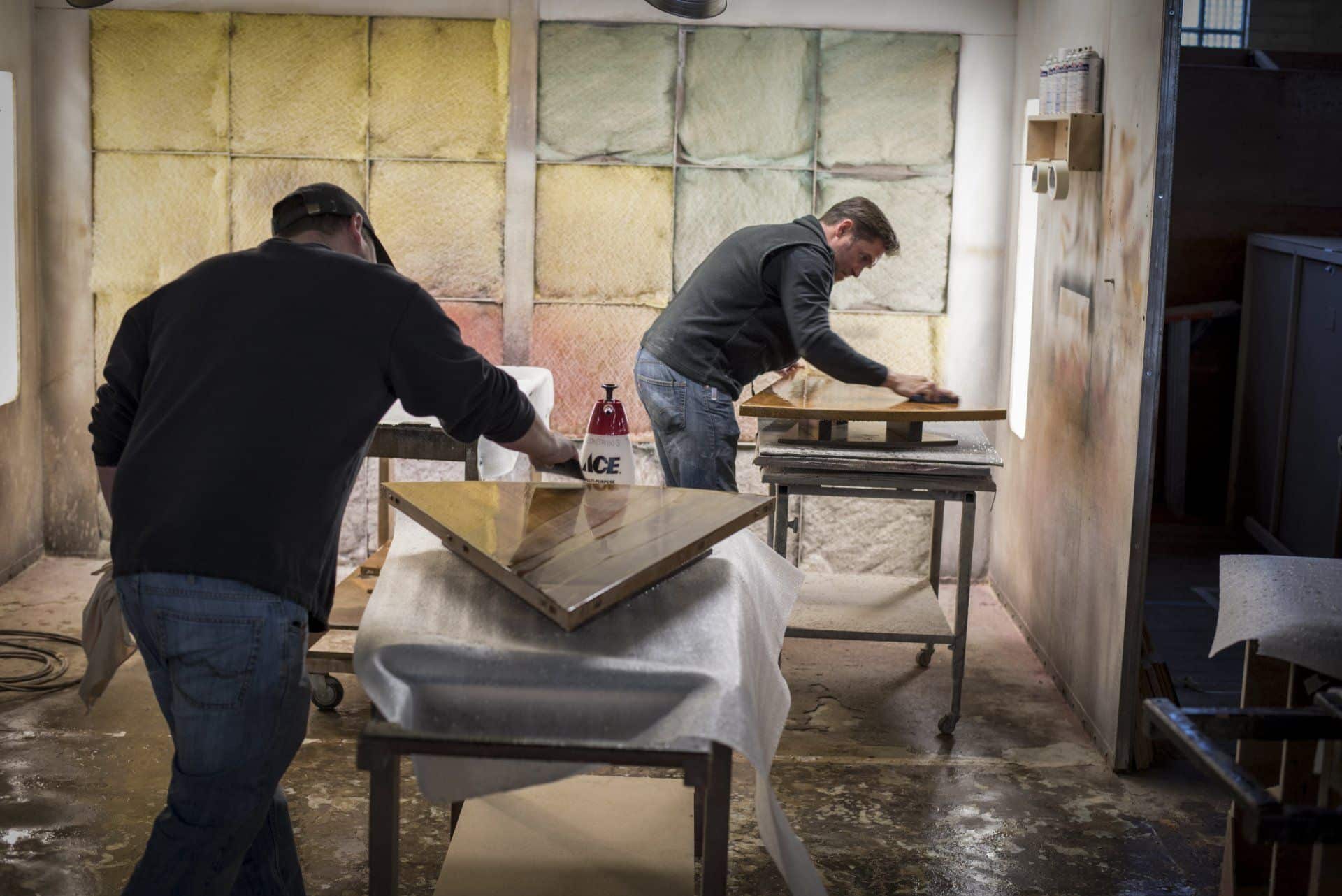
Over time, even well-maintained wood tables may need refinishing. Scratches, dullness, or worn finishes are signs it’s time to bring your table back to life. Cleaning and maintaining your wood table can be manageable. With consistent care and thoughtful cleaning practices, your table will continue to shine as a centerpiece of your home.
By taking these simple steps, you’re not just preserving furniture—you’re honoring the craftsmanship and memories that come with it.